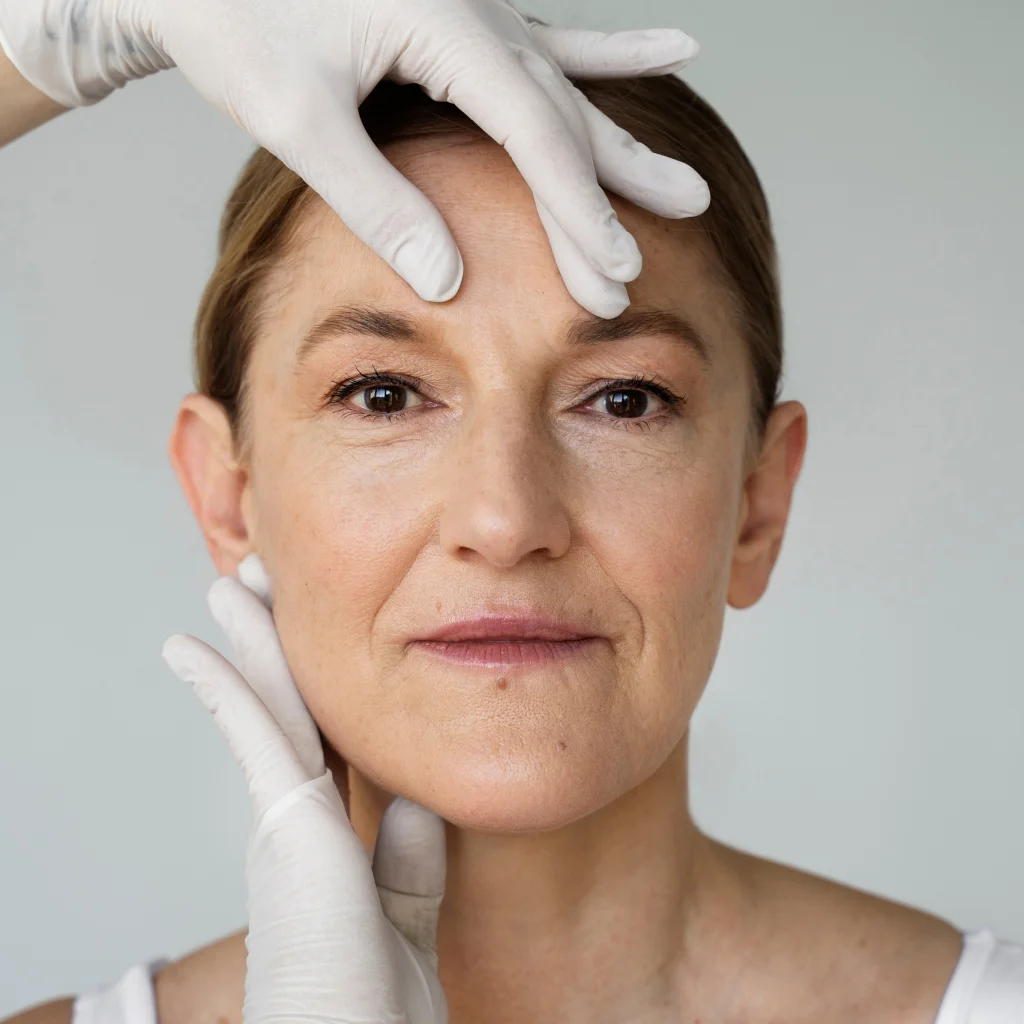

Protect your health with our comprehensive skin cancer services. Our clinic provides thorough screenings, accurate diagnoses, and advanced treatment options to address skin cancer at every stage. With a focus on early detection and personalized care, our experienced team is dedicated to safeguarding your skin and your well-being.
Melanoma, a severe form of skin cancer, accounts for about 75 percent of skin cancer deaths, despite being less common than basal cell and cutaneous squamous cell carcinomas. In fact, every 57 minutes, one person in the United States dies from melanoma. Omaha’s Elkhorn Dermatology understands the staggering implications of these statistics and wants patients to recognize melanoma risk factors for maximum health.
Our team can help to detect skin cancer early, greatly improving survival rates. Early-stage melanomas have a 99 percent five-year survival rate when treated promptly. At Elkhorn Dermatology, we want you to understand the risks so you are empowered to take action: Schedule regular skin checks, reduce harmful exposures, and adopt protective habits.
Melanoma risk factors vary in urgency, requiring different levels of attention and action:
Important to address promptly, these risks significantly elevate the likelihood of developing melanoma:
While these factors pose a moderate risk, they still warrant careful monitoring and preventive measures:
Those with lighter skin types have a two to three times higher risk of developing melanoma. This genetic predisposition emphasizes the need for consistent sun protection and regular skin examinations.
By understanding and acting on these melanoma risk factors based on their urgency, you can take significant steps toward protecting your skin health and reducing your risk of melanoma. Regular full body skin checks, protective measures against UV radiation, and being vigilant about changes in your skin are essential strategies in combating the threat of melanoma.
Melanoma starts in the skin’s pigment-producing cells (melanocytes) and may develop from an existing mole or a new mole. The skin cancer can appear on sun-exposed areas of skin or on areas not typically exposed, such as the eyes, mouth, or genital areas.
For men, it often occurs on head, neck, and trunk. For women, it often occurs on legs. People with darker skin tones more commonly develop melanoma on the hands or feet, or under nails.
During your monthly self-examination, make a habit of recognizing the moles, freckles, and various marks on your skin, observing any alterations in their shape, size, color, or any other differences, like moles that bleed or itch. For a comprehensive guide on how to conduct a skin self-exam effectively, visit “How to Do a Skin Self-Exam” on the American Cancer Society’s website. Also, use this ABCDE Checklist to know what to look for during your monthly self-exam at home:
At Elkhorn Dermatology, we are dedicated to providing you with the most effective tools for early detection and skin health management. With our state-of-the-art full-body cancer screening and advanced mole mapping, we offer a precise and objective way to monitor every spot on your body. By minimizing the limitations of subjective assessment, we ensure reliable tracking of changes over time. Our commitment is to provide you with advanced diagnosis and the confidence that comes from catching potential issues early.
It’s also important to consult a medical professional if you notice:

Our dermatology clinic is conveniently located in West Omaha near 204th and Pacific Street, serving patients from Elkhorn, Omaha, Gretna, Bennington, Waterloo, Valley, and surrounding communities.
Monday – Friday
10:00 AM – 6:00 PM
Elkhorn Dermatology is a physician-supervised dermatology clinic serving Omaha, Elkhorn, Gretna, Bennington, Waterloo, Valley, and surrounding Nebraska communities. We provide comprehensive skin cancer screenings, mole evaluations, medical dermatology for acne, rosacea, eczema, hair loss, nail disorders, rashes, and skin infections, as well as patch testing, wart removal, skin biopsies, and cosmetic dermatology services including scar treatment, wrinkle relaxer injections, IPL photofacials, TriBella™, microneedling, laser hair removal, and professional skincare.