NON-PIGMENTED SKIN CANCERS

Expert Diagnosis & Treatment

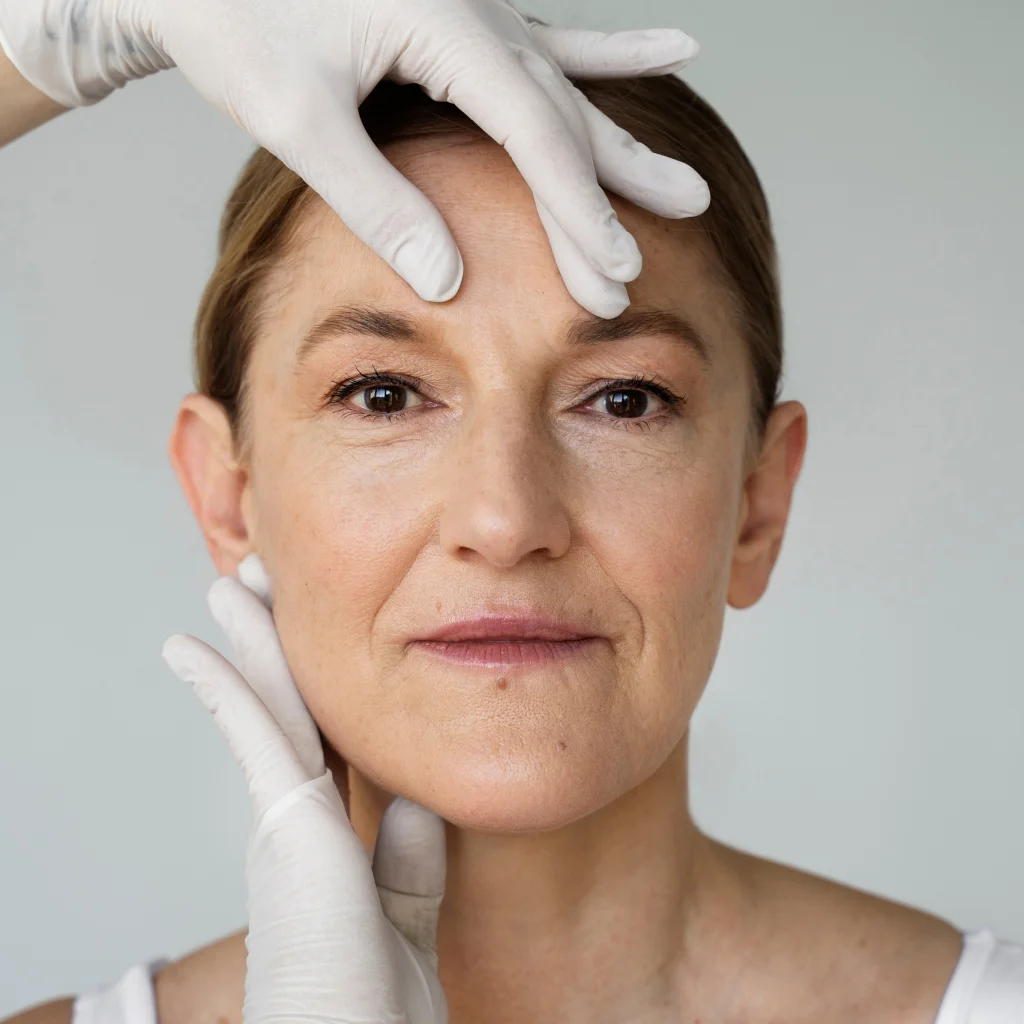
Protect your health with our comprehensive skin cancer services. Our clinic provides thorough screenings, accurate diagnoses, and advanced treatment options to address skin cancer at every stage. With a focus on early detection and personalized care, our experienced team is dedicated to safeguarding your skin and your well-being.

Understand Your Risk of Non Melanocytic Skin Cancers and Your Potentially Life Saving Options with Help from Elkhorn Dermatology in Omaha

Prolonged sun exposure, outdoor recreation, and prior use of tanning beds can contribute to cumulative skin damage, accelerating visible aging, causing sunspots, and increasing the risk of skin cancer. Basal cell carcinoma (BCC), the most common form of skin cancer, continues to be diagnosed at rising rates. Additionally, global cases of cutaneous squamous cell carcinoma (SCC) have increased significantly over the past several decades, highlighting the growing importance of early detection and prevention.

At Elkhorn Dermatology, we are committed to addressing these concerns through comprehensive patient education and evidence-based care. We help patients understand risk factors, implement effective prevention strategies, undergo appropriate skin cancer screenings, and receive accurate diagnoses and personalized treatment. Our goal is to support Nebraskans in protecting their skin health and maintaining a high quality of life.

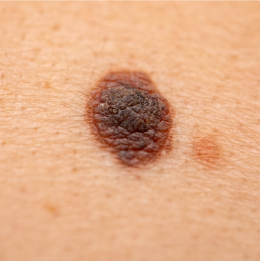
Arrange a consultation to get started with help for non-melanocytic skin cancers like Squamous Cell Carcinoma and Basal Cell Carcinoma at Omaha’s Elkhorn Dermatology. Call 531-777-2752 or send a message online.

Act Now for Healthier Skin

Your skin’s health is our priority, and at Elkhorn Dermatology, we’re committed to empowering you to stay proactive and protected. If you spend considerable time outside or use artificial UV light for tanning, you’re at a higher risk for skin concerns, and we highly recommend more frequent skin cancer screenings. Early detection and prevention is key to combatting both BCC and SCC. Our proactive screenings provide both peace of mind and the opportunity for early intervention as needed.

By arranging for a comprehensive full-body skin cancer screening at Elkhorn Dermatology, you are protecting your health with the most advanced methods available. Our experts use the latest technology to identify any signs of skin damage or risk of BCC and SCC and other cancers early on, ensuring that you receive the best possible care promptly—even before symptoms are noticeable.

Together, let’s safeguard your skin with vigilant care and regular check-ups. Your well-being is our top priority.

Act Now for Healthier Skin

Your skin’s health is our priority, and at Elkhorn Dermatology, we’re committed to empowering you to stay proactive and protected. If you spend considerable time outside or use artificial UV light for tanning, you’re at a higher risk for skin concerns, and we highly recommend more frequent skin cancer screenings. Early detection and prevention is key to combatting both BCC and SCC. Our proactive screenings provide both peace of mind and the opportunity for early intervention as needed.

By arranging for a comprehensive full-body skin cancer screening at Elkhorn Dermatology, you are protecting your health with the most advanced methods available. Our experts use the latest technology to identify any signs of skin damage or risk of BCC and SCC and other cancers early on, ensuring that you receive the best possible care promptly—even before symptoms are noticeable.

Together, let’s safeguard your skin with vigilant care and regular check-ups. Your well-being is our top priority.

Expert Care for Basal Cell Carcinoma at Omaha’s Elkhorn Dermatology

We help you protect your skin and recognize the signs of skin cancers, including basal cell carcinoma (BCC), in a timely way. As the most common form of skin cancer worldwide, BCC affects people of all ages, but some may be at a higher risk than others. Here’s what you need to know about this prevalent condition.

BCC is not only the most frequently diagnosed skin cancer, but it’s also highly influenced by factors like sun exposure and skin type. People with fairer skin tones and a history of prolonged sun exposure are particularly vulnerable to BCC.

The increasing popularity of outdoor lifestyles, coupled with inadequate UV protection, has led to a noticeable rise in BCC cases, including its nodular subtype, which is one of the more common forms. While encouraging advancements in early detection through routine dermatologic checkups are improving outcomes, delayed diagnoses and symptom misidentification sometimes remain challenges, particularly in older adults.

Nodular BCC is one of several subtypes of Basal Cell Carcinoma. This form of BCC typically presents as pink, shiny nodules or papules (raised, solid bumps on the skin); lesions that bleed easily, even with minor trauma; or shiny or pearly surfaces, often showing visible blood vessels, called telangiectasias.

These BCC characteristics are most often found in sun-exposed areas of the body, such as the face, head, and neck. That’s why daily sun protection—like wearing sunscreen and avoiding peak sun hours—is a key pillar of preventing BCC and more.

Are You at Risk for Basal Cell Carcinoma?

Understanding your risk factors for BCC can help you better protect yourself. Here are some characteristics and conditions that place individuals at a higher risk:
  • More than 99 percent of BCC cases develop in white individuals, making fair skin a significant risk factor.
  • People with darker skin tones are still at risk, though the problem is less common. BCC lesions may also look different on darker skin, occasionally showing pigmentation in shades like brown, black, or blue. This can make an accurate diagnosis of BCC more challenging.
  • Basal Cell Carcinoma is most frequently diagnosed in adults aged 40 to 80 years, but it isn’t exclusive to this age group.
  • Recent trends show an increasing number of younger adults—particularly those with habits like tanning or inconsistent sunscreen use—developing BCC.
  • UV exposure is a leading cause of skin cancer, significantly affecting those who spend considerable time outdoors or use tanning beds. Activities such as summer days on the lake, where the sun’s reflection intensifies UV rays, or farming under the open sky, expose individuals to prolonged UV radiation. Additionally, the use of tanning beds provides concentrated UV exposure, elevating the risk of developing conditions like BCC. It’s crucial to adopt comprehensive sun protection practices, whether from natural sunlight or artificial sources, to mitigate risks of BCC and other problems.
  • Childhood sunburns and cumulative exposure over a lifetime play a significant role in BCC development.
  • Unlike some other forms of skin cancer, men and women are impacted by BCC at nearly equal rates.

Key Signs and Symptoms of Basal Cell Carcinoma

Recognizing the signs of BCC is crucial for early treatment. This skin cancer type commonly appears on sun-exposed areas such as the face (cheeks, nose, forehead, and eyelids), neck, scalp, and the upper torso (chest and upper back). Here’s what to look for: in terms of Basal Cell Carcinoma:
  • Watch for "pearly" or shiny bumps that develop in the skin.
  • Similarly, skin-colored or pink nodules may form.
  • Tiny blood vessels can be visible on a BCC lesion.
  • BCC bumps can sometimes have a central depression, like a divot or similar concavity. These lesions may also bleed, even after experiencing only mild trauma, such as a light impact or scratch.
  • Keep in mind that patients with darker skin tones may develop BCC lesions that feature brown, black, or blue pigmentation.

Diagnosing and Treating Basal Cell Carcinoma at Elkhorn Dermatology

Diagnosis
Should you present with a concerning skin lesion, Elkhorn Dermatology may suggest a biopsy to check for BCC and other cancers. This involves applying a local anesthetic in the target area, efficiently extracting a sample of the lesion, and then carefully examining the sample under a microscope.
Treatment Options

Treatment at Elkhorn Dermatology is customized to your BCC lesion’s specific characteristics, with options including cryosurgery to freeze and destroy the abnormal tissue, electrosurgery (ED&C) to remove the lesion and eliminate cancer cells, and surgical excision, particularly for areas with lower sensitivity.

An early diagnosis of BCC generally leads to a very positive outcome, so regular monitoring of your skin’s health is key.

Understanding Pre-Cancerous Actinic Keratosis: Your First Line of Defense Against Squamous Cell Carcinoma

What is an actinic keratosis (also known as solar keratosis)? You might notice these rough, skin-colored or red/brown scaly patches on areas of your skin that are frequently exposed to the sun, such as your face, hands, or scalp. At Elkhorn Dermatology, we want you to understand that an actinic keratosis (AK) is more than just a skin irregularity; it’s a signal from your skin that it has sustained damage from UV exposure. Recognizing and treating AKs promptly is crucial, since these spots have the potential to develop into Squamous Cell Carcinoma (SCC) if neglected.

It is best practice to do a full body digital skin exam. Our experienced team is dedicated to early detection, guiding you through our various treatment options, and helping you safeguard your skin against the progression of AK into a more serious condition. Together, we can be proactive in protecting your skin health!

Frequently asked questions

At Elkhorn Dermatology, we are here to help you navigate the challenges of cutaneous Squamous Cell Carcinoma (SCC), a skin cancer that accounts for nearly half of all nonmelanoma skin cancers. With advanced diagnostic tools and effective treatment options for early-stage cases, we are committed to supporting you in detecting and managing SCC to protect your health and well-being.

Conducting regular self-examinations of your skin is a proactive step in spotting early signs of change. For detailed instructions on how to perform a skin self-exam, the American Cancer Society offers a comprehensive guide that you can access here. Keep an eye on the pattern of moles, freckles, and blemishes on your skin to effectively identify any new developments.

When caught early, SCC is highly treatable. If you delay diagnosis and treatment, however, the condition can advance and lead to metastasis, drastically reducing survival rates. Early detection gives you the best chance for successful outcomes, whereas advanced-stage SCC carries a mortality risk of more than 70 percent

  • Keep an eye out for pink to red, scaly spots with irregular borders on your skin, particularly in sun-exposed areas. These spots may evolve over time by thickening, scaling, or bleeding, which could indicate progression. Monitoring any changes meticulously is a crucial element of early detection.
  • SCC may also show up in less obvious places, such as under your fingernails. This can cause changes in nail color, the development of red bands, or even nail loss.
  • Wart-like textures or smooth bumps in the mouth or genital regions should immediately capture your attention and prompt a call to Elkhorn Dermatology.

Expert Care for Cutaneous Squamous Cell Carcinoma at Omaha’s Elkhorn Dermatology

At Elkhorn Dermatology, we are here to help you navigate the challenges of cutaneous Squamous Cell Carcinoma (SCC), a skin cancer that accounts for nearly half of all nonmelanoma skin cancers. With advanced diagnostic tools and effective treatment options for early-stage cases, we are committed to supporting you in detecting and managing SCC to protect your health and well-being. Conducting regular self-examinations of your skin is a proactive step in spotting early signs of change. For detailed instructions on how to perform a skin self-exam, the American Cancer Society offers a comprehensive guide that you can access here. Keep an eye on the pattern of moles, freckles, and blemishes on your skin to effectively identify any new developments.

Key Signs and Symptoms of Squamous Cell Carcinoma

When caught early, SCC is highly treatable. If you delay diagnosis and treatment, however, the condition can advance and lead to metastasis, drastically reducing survival rates. Early detection gives you the best chance for successful outcomes, whereas advanced-stage SCC carries a mortality risk of more than 70 percent
  • Keep an eye out for pink to red, scaly spots with irregular borders on your skin, particularly in sun-exposed areas. These spots may evolve over time by thickening, scaling, or bleeding, which could indicate progression. Monitoring any changes meticulously is a crucial element of early detection.
  • SCC may also show up in less obvious places, such as under your fingernails. This can cause changes in nail color, the development of red bands, or even nail loss.
  • Wart-like textures or smooth bumps in the mouth or genital regions should immediately capture your attention and prompt a call to Elkhorn Dermatology.

Diagnosing and Treating Squamous Cell Carcinoma at Omaha’s Elkhorn Dermatology

Diagnosis

All worrisome skin lesions should be examined closely, and the Elkhorn Dermatology team may even recommend a biopsy that includes a local anesthetic, extraction of a tissue sample, and a microscopic examination of the tissue to spot cancerous cells.

Treatment Options

At Elkhorn Dermatology, we offer a comprehensive range of effective and proven treatment options for SCC, all designed to balance effectiveness with patient comfort. Our treatments begin with non-invasive options, such as cryosurgery (freezing therapy) and advanced technologies like IPL (Intense Pulsed Light) laser therapy and RF (Radiofrequency) ablation, followed by topical medications and lesion curettage. By offering a wide spectrum of therapies, we tailor treatment plans to suit each patient’s condition and provide the highest level of care.

Schedule your visit for expert care of cutaneous squamous and basal cell carcinomas at Omaha’s Elkhorn Dermatology.

If you observe any new, changing, or persistent skin abnormalities that are cause for potential concern, Elkhorn Dermatology is your first line of defense. Considering the potential signs of SCC and BCC, Omaha-area individuals who notice worrisome lesions or other signs and symptoms of non-melanocytic skin cancer should seek a professional diagnosis and receive timely treatment. Working with our dedicated specialists can make a significant difference in your health outcome.

At Elkhorn Dermatology, our experienced team is committed to providing top-notch care, guided by the latest in dermatological research and practices. Don’t wait! Early detection from our professionals can dramatically increase the eaicacy of your treatment plan for SCC, BCC, and more.

To arrange a consultation to discuss non-melanocytic skin cancer, like basal cell carcinoma or squamous cell carcinoma, at Omaha’s Elkhorn Dermatology, call 531-777-2752 or send a message online.

Schedule your visit online

Take The Next Step And Request A Consultation Today

CONTACT INFORMATION

Discover more about Elkhorn Dermatology and our experienced providers, and learn why families throughout our community trust us for personalized, high-quality dermatologic care.

Office Hours

Monday – Friday:

10:00 AM – 6:00 PM